Order 100 Pack DVD+R Blank Media For Bulk Storage Needs is the ultimate solution for anyone looking to securely store large amounts of data. With its remarkable durability and reliability, DVD+R media stands out as a top choice for both personal and professional storage requirements. Whether you’re archiving precious family memories or critical business documents, these discs provide a safe and efficient way to keep your information accessible and organized.
Plus, the versatility of DVD+R formats, combined with their cost-effectiveness when purchased in bulk, makes them an ideal choice for anyone needing substantial storage capacity. As technology evolves, the importance of having dependable storage solutions cannot be overstated, and DVD+R media is perfectly poised to meet those demands.
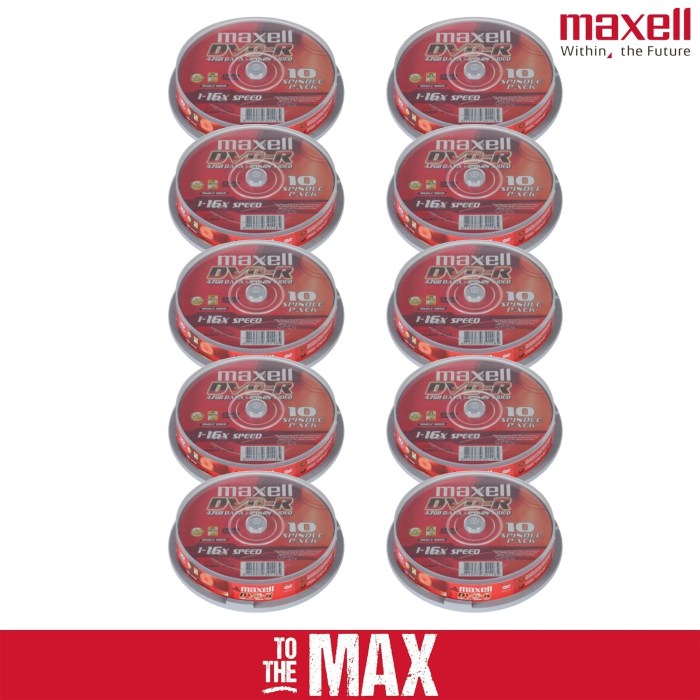
The Benefits of Using DVD+R Blank Media for Bulk Storage Requirements
For anyone dealing with large volumes of data, DVD+R blank media presents a reliable and efficient solution for bulk storage needs. With an impressive capacity of up to 4.7GB per disc, these versatile storage options are perfect for archiving important files, creating backups, and organizing media collections. Below, we explore the numerous advantages of utilizing DVD+R for your storage requirements.
Durability and Reliability of DVD+R for Long-term Storage
When it comes to preserving valuable data, durability and reliability are paramount. DVD+R discs are designed to withstand various environmental factors, ensuring that your data remains intact over time. Unlike hard drives and flash storage, which may fail due to mechanical issues or electrical malfunctions, DVD+R discs offer a stable physical medium for data retention. Key advantages of DVD+R media include:
- Long Shelf Life: DVD+R discs can last up to 30 years or more when stored properly, making them a suitable choice for long-term data preservation.
- Resistance to Environmental Factors: These discs are less susceptible to damage from heat, humidity, and magnetic fields, enhancing their longevity.
- Cost-Effective Bulk Storage: Purchasing DVD+R in bulk allows for significant savings, making it an economical solution for large data archiving projects.
The need for bulk storage solutions arises in various scenarios, such as:
- Data Backup for Businesses: Companies often rely on bulk storage to safeguard sensitive information, ensuring compliance with data protection regulations.
- Archiving Family Photos and Videos: Families can create lasting memories by archiving their digital photos and videos on DVD+R, preserving them for future generations.
- Software Distribution: Developers frequently utilize DVD+R discs for distributing software packages, allowing users to install applications without relying on internet access.
“Choosing DVD+R for bulk storage not only ensures data preservation but also offers a cost-effective and reliable solution for various storage needs.”
With these compelling benefits, DVD+R blank media stands out as an essential tool for anyone seeking dependable bulk storage options. Embrace the future of data storage and secure your digital assets today!
Understanding the Different Types of DVD Media Available in the Market
In the realm of data storage, DVDs remain a popular choice due to their versatility and reliability. While many consumers may be familiar with the general concept of DVD media, it's essential to understand the specific types available on the market today. Each type of DVD has unique features, performance characteristics, and ideal use cases that can significantly affect your storage decisions.The three primary types of DVD media are DVD-R, DVD+R, and rewritable DVDs (DVD-RW and DVD+RW).
Each type caters to different storage needs and preferences, making it vital to choose the right one for your requirements.
Types of DVD Media
Understanding the distinctions among the various types of DVD media can help you select the most suitable option for your storage needs. Here's a breakdown of the main types:
- DVD-R: This format is a write-once medium, meaning data can be written only once and cannot be erased or modified. Ideal for permanent storage of files, videos, and software, DVD-R discs offer compatibility with most standard DVD players and drives. They typically hold up to 4.7 GB of data.
- DVD+R: Like DVD-R, DVD+R is also a write-once format but features improved error management capabilities. This format allows for better performance in terms of data integrity during the recording process. DVD+R is often preferred for archiving data due to its reliability and compatibility with a broader range of devices.
- DVD-RW/DVD+RW: These rewritable formats allow users to erase and rewrite data multiple times. With a storage capacity similar to their write-once counterparts, they are excellent for temporary storage needs or for projects that require frequent updates. However, they may not be as compatible with older DVD players.
When considering which DVD format to use, it's important to take into account the specific requirements of your storage needs.
"DVD+R's enhanced error correction makes it a superior choice for long-term data storage, ensuring reliability and integrity of your important files."
For instances where data must remain unchanged, DVD-R would be adequate. However, for projects that may evolve, rewriting capabilities provided by DVD-RW or DVD+RW may be more beneficial. The additional robustness of the DVD+R format makes it particularly appealing for significant storage needs, ensuring that your data remains intact and easily accessible when needed.
Analyzing Cost-Effectiveness in Purchasing DVD+R Blank Media in Bulk
Purchasing DVD+R blank media in bulk presents a significant opportunity for savings and financial efficiency. Understanding the economics behind bulk buying can help individuals and businesses make informed decisions that lead to reduced costs and enhanced productivity. By analyzing the financial implications, potential savings, and methods for finding the best deals, you can maximize your investment in blank media.
When it comes to purchasing DVD+R blank media, buying in bulk often proves to be more cost-effective than making single purchases. The price per unit generally decreases as the quantity increases, leading to substantial savings over time. This advantage is especially pronounced for businesses or individuals who require large quantities for data storage, archiving, or distribution purposes. For example, purchasing a single spindle of 25 DVD+R discs might cost around $10, translating to $0.40 per disc.
In contrast, a bulk purchase of 100 discs could be available for $30, resulting in a reduced cost of just $0.30 per disc. This difference illustrates how bulk buying can lead to a significant reduction in per-unit costs.
Cost Breakdown Example
A detailed cost breakdown can further clarify the financial benefits of bulk purchasing. Consider the following scenario:
Single Purchase
Price for 25 DVD+R discs
$10
Cost per disc
$0.40
Bulk Purchase
Price for 100 DVD+R discs
$30
Cost per disc
$0.30
By calculating the total expenses for larger quantities, the savings become evident. If you were to purchase four spindles of 25 discs each over time, you would spend $40. However, a one-time bulk purchase of 100 discs only costs $30, saving you $10 overall.
“Buying in bulk not only reduces the overall cost but also minimizes the frequency of purchases, saving time and effort.”
Identifying the best deals for bulk purchases of DVD+R media can further enhance savings. Consider these tips:
Research Online Retailers
Many online platforms offer competitive prices for bulk orders. Websites like Amazon, Newegg, or specialized media retailers often provide discounts for larger quantities.
Check for Promotions and Coupons
Keep an eye out for sales events or promotional offers that can further reduce costs. Signing up for newsletters can provide exclusive access to discounts.
Compare Prices Across Different Vendors
Utilize price comparison websites or tools to ensure you're getting the best deal available.
Consider Membership Discounts
Retailers often provide additional savings for members or subscription services that offer bulk buying options.
By employing these strategies, you can maximize your savings and ensure that your investment in DVD+R blank media is both efficient and cost-effective.
Key Considerations When Choosing the Right DVD+R Media for Your Storage Needs
Selecting the right DVD+R media for bulk storage is crucial for ensuring data integrity and accessibility. With various options available on the market, it's essential to consider several key factors to make an informed decision that meets both your storage capacity and compatibility requirements.When evaluating DVD+R media, several critical factors should be considered that can directly impact the overall performance and longevity of your stored data.
Factors such as storage capacity, brand reputation, and compatibility with your devices play vital roles in determining the right choice. Understanding these elements will help ensure that your media not only meets your current needs but also continues to perform efficiently over time.
Important Factors for DVD+R Media Selection
When assessing DVD+R products, take into account the following critical factors that influence your purchasing decision:
- Storage Capacity: DVD+R discs typically hold up to 4.7 GB of data. For larger storage requirements, consider options like dual-layer discs, which can store up to 8.5 GB. Understanding your data size and projecting future needs can guide you in selecting the appropriate type.
- Brand Reputation: Choose established brands known for their quality and reliability, such as Verbatim, Sony, or TDK. These brands often provide better manufacturing consistency and durability, reducing the risk of data loss.
- Compatibility: Ensure the DVD+R media you select is compatible with your burning device and intended playback devices. Checking the specifications of your hardware can prevent issues during data retrieval.
- Write Speed: Different DVD+R media have varying write speeds, typically ranging from 4x to 16x. Higher write speeds can facilitate faster data transfers but may compromise quality. Opt for a balanced speed that meets your efficiency needs without sacrificing reliability.
- Data Longevity: Consider discs with protective features, such as scratch-resistant coatings or archival quality ratings. These factors contribute to the longevity and durability of your data, particularly for long-term storage.
By evaluating these points carefully, you can create a checklist that ensures you choose the most suitable DVD+R media for your bulk storage needs. This proactive approach will ultimately enhance your data management strategy and safeguard your valuable information.
Essential Storage Techniques for Preserving DVD+R Media: Order 100 Pack DVD+R Blank Media For Bulk Storage Needs
Proper storage of your DVD+R discs is crucial for ensuring their longevity and maintaining the quality of the data they hold. By following some key techniques, you can protect your media from damage that may render them unusable. Understanding how to store your discs and the environmental factors that can impact their durability is fundamental for anyone relying on DVD+R media for bulk storage needs.Environmental factors play a significant role in the lifespan of DVD+R discs.
Temperature and humidity are two critical aspects that must be controlled to prevent deterioration. Ideal storage conditions include keeping your discs in a cool, dry place, away from direct sunlight and extreme temperature fluctuations.
Temperature and Humidity Control, Order 100 Pack DVD+R Blank Media For Bulk Storage Needs
Maintaining the right temperature and humidity levels is essential for preserving DVD+R media. Here are some guidelines to ensure optimal conditions:
- Store DVD+R discs in a temperature-controlled environment, ideally between 60°F to 75°F (15°C to 24°C).
- Avoid locations with high humidity; ideally, humidity levels should be kept between 20% to 50%.
- Keep discs away from heat sources, such as radiators or direct sunlight, which can warp the media.
- Consider using a dehumidifier in damp environments to help maintain optimal humidity levels.
Organizational Tips for Managing DVD+R Collections
An organized collection not only simplifies access but also helps in preserving the integrity of your DVD+R discs. Effective organization can prevent scratches and other physical damages. Here are some effective tips to manage your large collection:
- Use protective cases specifically designed for DVDs to prevent scratches and dust buildup.
- Label each disc clearly with its contents and date of recording to facilitate easy identification.
- Store discs vertically rather than stacking them to avoid warping and pressure damage.
- Maintain a digital catalog or inventory list to track your collection accurately.
- Regularly check and test your discs for any signs of degradation or unreadability to address issues early.
"Proper storage and organization of DVD+R media can significantly extend their lifespan and preserve the quality of the data contained within."
By integrating these essential storage techniques and organizational tips, you can ensure your DVD+R discs remain in optimal condition, safeguarding your valuable data for years to come.
The Process of Creating and Burning Data onto DVD+R Discs
Burning data onto DVD+R discs is a straightforward process that allows users to store large amounts of data efficiently. With the right software and a few simple steps, anyone can create high-quality copies of their files, making it an essential skill for both personal and professional use. This guide will walk you through the steps involved in burning data onto DVD+R discs, ensuring you achieve error-free results.
Steps for Burning Data onto DVD+R Discs
To successfully burn data onto a DVD+R disc, follow these steps, which emphasize precision and attention to detail. Each step is crucial for ensuring that your data is transferred correctly, minimizing the chances of any errors during the process.
1. Choose Compatible Software
Select a reliable DVD burning software that supports DVD+R format. Popular choices include Nero, ImgBurn, and CDBurnerXP. Ensure that the software is installed and updated to the latest version for optimal performance.
2. Insert the DVD+R Disc
Place a blank DVD+R disc into your computer's DVD writer. Ensure that it is properly seated to allow the software to recognize it.
3. Launch the Software
Open the DVD burning application. Most software will automatically detect the inserted disc and prompt you to select a burning mode, such as 'Data Disc' or 'Video Disc.' Choose the appropriate option based on your data type.
4. Select Files for Burning
Browse through your files and folders to select the data you wish to burn. You can often drag and drop files directly into the software interface for convenience.
5. Configure Burn Settings
Before proceeding, configure the burn settings. This includes the burn speed and the number of copies you wish to create. A slower burn speed can help prevent errors, especially for larger files.
6. Initiate the Burning Process
Once everything is set, click the 'Burn' or 'Start' button to begin the burning process. Monitor the progress and ensure that the software indicates successful completion.
7. Verify the Burned Data
After burning, most applications offer a verification step to ensure that the data was written correctly. Always take this extra step to confirm data integrity.
Essential Tips for Error-Free Burning
To achieve optimal results when burning data onto DVD+R discs, consider the following tips that help mitigate common issues:
- Always use high-quality DVD+R discs from reputable brands to reduce the likelihood of write errors.
- Avoid running heavy applications in the background during the burning process, as this may affect performance and lead to errors.
- Ensure that your DVD writer's firmware is up to date, as manufacturers often release updates to enhance performance and compatibility.
Troubleshooting Common Issues
Despite best efforts, issues may occasionally arise during the burning process. Here are some common problems and their solutions:
Burn Process Fails
If the burning process fails, check for an error message. This often indicates a compatibility issue with the media or a problem with the DVD writer itself. Ensure the disc is not scratched or dirty, and try a different brand of DVD+R if necessary.
Incomplete Data Verification
If the verification step indicates errors, it could mean the data was not burned correctly. Reattempt the burning process, lowering the burn speed may help.
Software Freezes
If the burning software becomes unresponsive, consider restarting the application or your computer. Ensure that no other data-intensive applications are running during the burn.
Using high-quality media, keeping your software updated, and following the burning guidelines are key for successful data transfer.
Environmental Impact and Sustainability Considerations of DVD Storage Solutions
The environmental impact of DVD storage solutions extends beyond simple usage; it involves crucial considerations regarding the manufacturing and disposal processes of DVD media. As consumers increasingly seek sustainable options, understanding the ecological footprint of these products becomes essential for informed purchasing decisions.The manufacturing of DVD+R discs involves the use of polycarbonate plastic, metal, and dyes, which contribute to their ecological footprint.
The production process consumes energy and natural resources, resulting in greenhouse gas emissions. Additionally, improper disposal of these discs can lead to plastic pollution, as they may take hundreds of years to degrade in landfill conditions. Thus, considering the lifecycle of DVD media is vital for sustainability.
Adopting Sustainable Practices with DVD+R Discs
Implementing sustainable practices when utilizing DVD+R discs can significantly reduce their environmental impact. Here are some practices that can be adopted:
- Opt for High-Quality Discs: Investing in high-quality DVD+R discs ensures longevity, reducing the frequency of replacements and waste generated.
- Store Discs Properly: Utilizing protective storage cases minimizes damage and extends the life of each disc, promoting their reuse.
- Choose Eco-Friendly Brands: Some manufacturers produce discs made from recycled materials or use environmentally friendly dyes, further lowering the ecological footprint.
Recycling Options for Used or Damaged DVD Media
Recycling used or damaged DVD media is crucial for minimizing waste and promoting sustainability. Many consumers are unaware that DVD discs can be recycled, leading to unnecessary landfill contributions. Recognizing viable recycling options is essential:
Specialized Recycling Programs
Some electronic waste recycling centers accept DVDs and CDs, ensuring they are processed correctly. Consumers can often locate local drop-off locations or mail-in programs to recycle their discs.Repurposing
Creative reuse of damaged or old DVDs can also reduce waste. They can be transformed into art projects, coasters, or even used for educational purposes in classrooms.Donation
If the discs are still usable, donating them to schools, libraries, or community centers can give them a second life while benefiting others.“By recycling and repurposing DVD media, consumers can play a vital role in reducing environmental impact, helping to preserve our planet for future generations.”
Innovations in DVD Technology and Their Implications for Bulk Storage
Recent advancements in DVD technology have transformed the way consumers think about data storage and access. As we navigate an era dominated by digital content, the evolution of optical media has become vital for meeting bulk storage demands. With enhanced capacities, improved reliability, and new formats, today's DVDs cater to a wide variety of needs for individuals and organizations alike.The latest innovations in DVD technology include multi-layer recording capabilities and finer data encoding techniques.
These advancements have enabled DVDs to store significantly more data than their predecessors. Whereas standard DVDs offered a capacity of 4.7 GB for single-layer and 8.5 GB for dual-layer, new formats like BDXL can reach capacities of up to 128 GB. This increase in storage capacity allows users to archive large volumes of data, making DVDs a more attractive option than ever before.
Comparison of Older DVD Formats with Latest Versions
Understanding the differences between older and newer DVD formats is essential for making informed storage decisions. The following points illustrate the advancements in capacity and performance:
- Standard DVDs: Originally designed to hold 4.7 GB (single-layer) and 8.5 GB (dual-layer), these formats are becoming less viable for extensive data storage needs.
- DVD-R and DVD+R: These writable formats allow users to burn data onto discs, but the limitations in capacity can be a challenge for large files or extensive collections.
- BDXL Discs: These newer multi-layer discs can handle up to 128 GB, making them ideal for bulk storage of high-definition video or large datasets.
- Improved Error Correction: Recent technology advancements have enhanced error correction capabilities, ensuring data integrity over longer periods and reducing the risk of data loss.
The implications of these advancements extend beyond mere capacity. The higher data integrity and reliability make newer DVD formats a preferred choice for archival storage. As we continue to generate and store vast amounts of data, the importance of reliable and efficient storage solutions cannot be overstated.
“The future of optical media lies not just in increased capacity, but in the seamless integration with cloud and other storage technologies.”
Predictions for the Future of Optical Media in Data Storage
The future of optical media, particularly DVDs, appears promising as technological innovations continue to unfold. As data requirements grow, the adaptability of optical media will play a crucial role in its relevance. Significant trends can be predicted based on current advancements:
- Integration with Cloud Storage: As consumers increasingly rely on cloud solutions, optical media like DVDs will likely find a niche role as a backup solution, ensuring longevity and data security.
- Enhanced Durability: Innovations in materials will lead to DVDs that can withstand harsher environments, appealing to professionals in fields such as film production and scientific research.
- Increased Accessibility: As new formats become more mainstream, the availability of compatible devices will rise, making it easier for consumers to utilize high-capacity DVDs.
- Hybrid Storage Solutions: The combination of optical media with other storage types, such as SSDs and magnetic drives, will provide users with versatile and efficient data management options.
As the landscape of data storage continues to evolve, it is clear that innovations in DVD technology will play a significant role in shaping the future. The combination of heightened capacity, improved performance, and enhanced durability will ensure that DVDs remain a valuable option for bulk storage needs.
Last Point
In conclusion, the Order 100 Pack DVD+R Blank Media For Bulk Storage Needs stands out as an essential asset for anyone serious about data management. With their proven reliability and ease of use, these discs not only protect your valuable data but also offer peace of mind. Don't settle for less—choose DVD+R for your bulk storage needs and ensure your memories and important files are preserved for years to come.
FAQ Section
What is the storage capacity of a DVD+R disc?
A standard DVD+R disc can hold up to 4.7 GB of data.
Can I rewrite data on DVD+R discs?
No, DVD+R discs are write-once media; once data is burned onto them, it cannot be erased or rewritten.
What software do I need to burn data onto DVD+R discs?
You can use various software applications like Nero, Ashampoo, or built-in tools in Windows and Mac OS to burn data onto DVD+R discs.
How should I store DVD+R discs to ensure their longevity?
Store DVD+R discs in a cool, dry place away from direct sunlight, and keep them in protective cases to avoid scratches.
Are DVD+R discs environmentally friendly?
While the production of DVD+R discs has an ecological footprint, many manufacturers are adopting sustainable practices, and recycling options are available for used discs.
Comments
Post a Comment